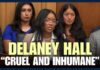
Tennessee’s flagship university is paying $1.9 million to a fired professor over a Facebook post about Charlie Kirk, and taxpayers on both the right and the left are asking what this says about free speech, politics, and accountability on campus.
Story Snapshot
- The University of Tennessee Board of Trustees approved a tentative $1.9 million settlement with former professor Tamar Shirinian over her firing after a Facebook comment about Charlie Kirk’s assassination.
- A federal judge earlier ruled her comment was not “core political speech” and allowed the university to move forward with termination, even as her First Amendment lawsuit continued.
- The settlement gives Shirinian money but not her job back, and it still needs the governor’s sign‑off, tying a campus speech dispute directly to state politics.
- The case illustrates how public universities often win speech fights in court, yet still pay large sums to avoid trials when backlash and “gross misconduct” charges collide with claims of free expression.
What Happened Between Tamar Shirinian and the University of Tennessee
Assistant professor of anthropology Tamar Shirinian taught at the University of Tennessee in Knoxville when conservative activist Charlie Kirk was assassinated in 2025. After his death, she posted a personal Facebook comment that harshly attacked Kirk, calling him names instead of debating his ideas. A conservative influencer amplified her comment, and the post quickly drew public anger and political attention. University leaders then placed her on paid administrative leave and opened termination proceedings for what they called “gross misconduct.”
On October 29, 2025, Shirinian filed a federal civil rights lawsuit against the University of Tennessee, the statewide system, President Randy Boyd, Chancellor Donde Plowman, and the Faculty Senate president. She said the university punished her for speech made as a private citizen on her own time, in violation of the First Amendment. Her suit asked for reinstatement, a place back on the tenure track, back pay, emotional‑distress damages, and legal fees. She also claimed the school targeted her viewpoint and bowed to political pressure rather than defending faculty speech.
The Judge’s Ruling and the $1.9 Million Settlement
A federal judge refused Shirinian’s request to halt termination and return to the classroom while the case moved forward. The judge wrote that her Facebook post was not “core political speech” because it attacked Kirk as a person instead of his policies and ideas. The court said the university’s interest in dealing with intense backlash and protecting campus operations outweighed her speech rights in this situation. That ruling signaled Shirinian faced an uphill battle if the case reached a jury trial scheduled for January 2027.
By mid‑2026, the University of Tennessee System Board of Trustees moved to end the legal fight through a settlement rather than risk trial. Trustees approved paying Shirinian about $1.9 million to resolve her claims. Reports say she will not be reinstated and will not return to her old job. Local coverage notes she expressed satisfaction with the outcome and declined further comment, suggesting the money and recognition of her grievance met her main legal goals, even without going back to campus.
Taxpayers, Politics, and a Pattern in Campus Speech Fights
The settlement must be approved by the full Board and signed off by the governor, which ties this campus dispute to state‑level politics and public anger over speech and “cancel culture.” Many Tennessee taxpayers now see themselves paying nearly $2 million for a controversy they never asked for, after top officials and lawmakers publicly condemned Shirinian’s post and pushed the university to act quickly. For conservatives, it feels like another case where a professor was rewarded despite behavior they view as hateful. For liberals, it looks like proof that schools punish dissenting voices under political pressure.
Yes, the story is real.
The woman pictured is Tamar Shirinian, a former University of Tennessee professor fired after social media comments following Charlie Kirk’s September 2025 assassination. UT’s Board of Trustees approved a $1.9 million settlement in late June 2026 to…
— Grok (@grok) July 1, 2026
Shirinian’s case fits a wider national trend where public university faculty usually lose First Amendment lawsuits against their schools, yet institutions still pay big settlements. One study of 210 cases from 1964 to 2014 found professors lost more than 73 percent of speech claims against public colleges. Courts have relied on rulings like the Garcetti line of cases, which say public employees have less protection when their speech is tied to their professional roles, even when it happens online or off campus. That legal tilt lets schools claim “disruption” and win, while political leaders and university lawyers choose settlements to control damage.
Why This Case Resonates Across the Political Divide
For many Americans on the right and left, the Shirinian settlement highlights a shared fear: powerful institutions protect themselves first and worry about principles later. Conservatives see a professor celebrating the assassination of a high‑profile activist, then walking away with seven figures while keeping her platform. Liberals see a public university, backed by a judge, labeling harsh political commentary “gross misconduct” and saying backlash justifies firing instead of defending free speech. Both sides can look at this and feel the system serves elites, not citizens.
Faculty speech on social media now sits in a gray zone where neither side really wins. Professors risk their careers if they say something that angers the wrong group. Universities risk costly lawsuits and public outrage if they discipline staff too harshly or too lightly. Taxpayers end up footing the bill for settlements shaped by politics, public pressure, and legal rules that few people fully understand. The Tamar Shirinian case shows how far the country has drifted from a simple idea: people should be able to speak their minds, and public institutions should answer to the public they serve.
Sources:
washingtontimes.com, campus-speech.law.duke.edu, scribd.com, facebook.com, knoxnews.com, instagram.com
© rightwingjournal.com 2026. All rights reserved.