The latest U.S. strikes in Iran did not just hit missile sites—they blew up bridges and collapsed a key port tower, sharpening fears on both left and right that America’s wars are now targeting the very infrastructure civilians rely on.
Story Snapshot
- U.S. forces struck bridges and a maritime control tower in southern Iran on the sixth straight night of attacks.
- Central Command says the goal is to degrade Iran’s ability to attack commercial ships, but Iran reports rising civilian deaths.
- President Trump’s earlier threats to hit “bridges and power plants” feed concern that strikes are now coercive, not just defensive.
- The fall of a tower at Chabahar port and damaged bridges near Bandar Abbas highlight how dual-use infrastructure is becoming a battlefield.
What was hit and why it matters
U.S. aircraft and drones hit multiple bridges in Iran’s southern Hormozgan province overnight, with Iranian media reporting at least seven people killed near the coastal city of Bandar Khamir on the Strait of Hormuz. The same wave of attacks collapsed a surveillance or maritime control tower at Chabahar port on the Gulf of Oman, a key route for trade from landlocked Afghanistan. U.S. Central Command said these strikes were part of a broader campaign to hit air defenses, coastal radar, logistics hubs, and maritime capabilities along Iran’s coastline.
Central Command frames the strikes as necessary to “further degrade Iran’s ability to attack commercial shipping and innocent civilian mariners” in the Strait of Hormuz. Officials say about ninety military targets were hit in this round alone, following earlier strikes on missile and drone storage sites, naval forces, and logistics infrastructure. For worried Americans watching from home, this sounds like a familiar pattern: Washington says it is protecting trade and troops, yet the pictures show broken bridges and smoking port facilities that ordinary people also depend on.
Targeting the ‘maritime kill chain’ versus hitting civilians
Open-source analysts and military statements describe a clear focus on Iran’s “maritime kill chain”—the radar stations, missile batteries, drone launch sites, naval bases, and logistics links that let Iran threaten ships near Hormuz. Striking bridges near Bandar Abbas and routes to key ports fits that logic; those roads carry military gear and fuel as well as food and workers. But Iran’s state media reports strikes on five bridges, a railway station, and an airport, with several civilian deaths. That clash of stories feeds a deeper concern for many Americans: is the government honestly telling us what is being hit, and who pays the price?
Independent checks show at least some civilian-linked damage is real. BBC analysis verified an attack on one bridge west of Bandar Abbas, confirming that live transport links, not just isolated military bases, were struck. Satellite imagery shared by U.S. officials shows serious damage at the Chabahar port tower, a structure used to oversee ship movements. That tower almost certainly served both military and civilian functions, like many modern port structures. When dual-use sites are attacked, the line between “legitimate military target” and “civilian infrastructure” becomes blurry, and citizens on both sides of America’s political divide worry that ordinary people are being caught in the middle.
Trump’s threats and fears of coercive warfare
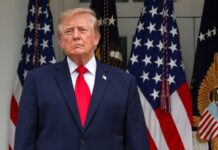
President Donald Trump has publicly warned that he is willing to hit Iranian “bridges and power plants” if Tehran does not accept U.S. terms to end the conflict. He reportedly said Iran “better behave” or face strikes that could push the country “back to the Stone Ages.” France 24 and other outlets note that openly threatening civilian infrastructure raises serious questions under international law, which bars deliberate attacks on sites that mainly serve civilians. For many Americans, both conservative and liberal, these threats sound less like protecting shipping and more like using raw destruction to force another nation to bend.
Critics warn that attacking critical infrastructure can backfire, not just morally but strategically. Analysis from policy groups like the Atlantic Council argues that hitting energy and water systems, or broad economic lifelines, does not give the United States a lasting advantage and can deepen hatred and instability instead. Older conservatives remember decades of costly wars that did not fix anything at home, while many liberals see this as another example of the “America First” rhetoric turning into strikes that still leave ordinary Americans paying for endless conflict. Both sides share a sense that Washington’s war plans often ignore long-term human costs, abroad and at home.
Hormuz, escalation, and a government many feel they cannot trust
These bridge and tower strikes come as Iran claims to have closed the Strait of Hormuz, with only twenty-one ship transits reported during a key period. The United States insists the strait remains “open,” pointing to naval escorts and continued, though reduced, traffic. Whatever the exact count, the message to the world is clear: a vital trade route is now under military strain, and both sides are willing to hit infrastructure that keeps global commerce moving. That raises energy costs, shakes markets, and makes life harder for families already struggling with inflation and wages that do not keep up.
US strikes hit the Shur River Bridge in Kohurestan, cutting the Bandar Abbas–Lar highway in both directions.
Reports say civilian vehicles were on the bridge at the time of impact. https://t.co/Ff2dskA0ir pic.twitter.com/C5K0O5OsFT
— Adam Scott (@chefcascottccc) July 17, 2026
Many Americans see a familiar story in this new crisis. Iran and the United States trade strikes; official statements speak of precision and “heavy costs” for the enemy; yet independent reports tally dozens of dead and hundreds wounded since fighting resumed. Bridges, ports, and control towers become targets, even though they also serve truck drivers, port workers, and small businesses. Voters on both the right and the left increasingly believe that the people giving these orders—generals, diplomats, and politicians—are more focused on power, prestige, and reelection than on protecting the everyday lives that depend on stable roads, safe shipping lanes, and affordable energy.
Sources:
military.com, bbc.com, timesnownews.com, reuters.com, facebook.com, aljazeera.com, moneycontrol.com, youtube.com, trtworld.com
© rightwingjournal.com 2026. All rights reserved.