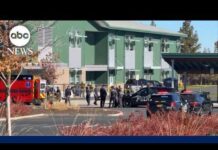
As fires gutted France’s 143-year-old Limoges City Hall and shops were looted nationwide, leaders blamed radical groups while marchers said a few vandals hijacked a cost-of-living protest.
Story Highlights
- Limoges City Hall burned amid one of France’s worst nights of unrest in years.
- Police reported mass arrests and injuries as violence spread across major cities.
- Officials blamed ultra-left agitators; marchers cited living costs and school woes.
- France’s history shows repeated cycles of protest mixing grievances and disorder.
What Sparked The Night Of Violence
Reuters, CNN, and other outlets reported large marches across France on October 17, 2026, that turned violent after dark. Crowds first gathered over high prices, fuel costs, and anger about school shortages and aging buildings. After nightfall, rioters set fires and looted shops in several cities. Police clashed with masked groups near city centers. The scale recalled past waves of unrest, where peaceful rallies later gave cover to violence and opportunistic crime.
Officials said the unrest posed a major threat to public order. Prime Minister Sébastien Lecornu said police made more than a thousand arrests nationwide, and dozens of officers were hurt. The government accused radical or ultra-left groups of using the protests to attack public buildings and police lines. March organizers and many marchers rejected that view, saying most people were peaceful and wanted paychecks to go farther and schools to function.
Limoges City Hall Fire As A Focal Point
In Limoges, flames tore through the nineteenth-century City Hall and collapsed parts of the roof. Local officials said the blaze was deliberate and left the building “largely lost.” Images of the clock tower and grand halls burning became a symbol of the chaos. Across France that night, protesters also broke into Marseille City Hall, and Lyon’s tourist office was torched, underscoring how quickly unrest jumped from street marches to attacks on civic landmarks.
Emergency crews worked through the night to contain fires and secure damaged sites. Police pushed back crowds with tear gas in several cities as looting spread to commercial areas. By morning, streets showed broken glass, burned vehicles, and spray-painted slogans. National leaders vowed to restore order and pursue those who planned or carried out arson and assaults. Protest leaders insisted the violence did not reflect their goals or the concerns of everyday families.
Competing Explanations For The Unrest
Government leaders framed the worst clashes as the work of organized extremists and criminal elements. That claim matches the pattern officials cite in earlier French crises. Protesters and several unions countered that the marches grew from real pain: rising prices, fuel costs, and schools that lack teachers and working facilities. A nineteen-year-old marcher in Paris listed basic demands for decent learning conditions and relief from bills that keep rising faster than wages.
🇫🇷 FRANCE IN CHAOS: President Macron has condemned nationwide riots, looting and violent clashes, expressing “anger and shame” as nearly 2,400 people were arrested and around 1,000 officers injured in a single day.
Macron has vowed tougher security measures but stopped short of… pic.twitter.com/BDAUNSaPe6
— Mews Post (@mewspost) October 18, 2026
Scholars and past reporting suggest both forces can be true at once. Large demonstrations can begin with clear social demands and then attract smaller groups who want confrontation or looting. Research on French unrest since the 1970s points to deep roots: inequality, policing tensions, and weak public services. Those drivers can mix with opportunistic violence when crowds and police meet at scale. That does not prove a central mastermind. It does show a system that keeps failing to resolve core issues.
Why This Matters Beyond France
Many readers in the United States see a familiar loop: leaders trade blame while ordinary people struggle with high prices, spotty services, and a sense that elites stay insulated. French officials and protest leaders now face a test. If they only argue over who started the fires, the same cycle may return. If they focus on safety and real fixes—order on the streets and results in schools and wallets—they can break the loop before the next spark.
Sources:
atlas-news.com, mid-day.com, reuters.com, irishtimes.com
© rightwingjournal.com 2026. All rights reserved.