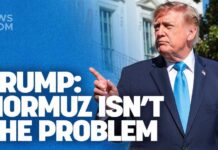
President Trump publicly ruled out striking Iran before the midterms even as reports said the Pentagon finished prepping options.
Story Snapshot
- Trump said there will be no Iran strikes before the U.S. midterm elections.
- Axios reported the Pentagon told U.S. Central Command to wrap preparations for major combat options.
- Anonymous sources said timing discussions included pre-election windows in the U.S. and Israel.
- The White House’s planning-versus-timing split follows a familiar pattern around Iran.
What the President Said on Timing
President Trump stated that the United States will not attack Iran before the November 3 midterm elections. He posted that talks with Iran are “productive” and that a blockade would remain in force during this period. His message drew a firm line on timing while signaling ongoing pressure on Tehran. Multiple outlets reported the same language from his post, reinforcing that this was an on-the-record commitment about the pre-election window. Other reports echoed his no-strike pledge and described the talks as ongoing.
Trump’s public stance matters because it sets a near-term boundary on action, even if military options exist. Voters already distrust Washington’s habit of keeping them in the dark on war decisions. When a president ties timing to an election date, people on the right and left hear politics blending with national security. That fuels a wider concern that leaders weigh polls and power more than transparent goals and clear end-states in a costly, open-ended conflict.
What the Pentagon Prepared
Axios reported that the Pentagon directed United States Central Command to complete preparations for resuming major combat operations in Iran. The report said no strike date was set and that President Trump had not made a final decision. U.S. and Israeli sources cited in the piece said the timing could fall before the U.S. midterms or the Israeli vote a week earlier. A Pentagon official described the department’s role as presenting military options to the president.
The Atlantic reported that the White House asked the Pentagon to develop strike options that could be used ahead of the midterms. That aligns with the idea that planning does not equal authorization, but it does put real tools on the shelf. In Washington, this kind of leak often surfaces, then meets a public denial on immediate timing. The split is not new. It reflects how the government plans for multiple paths while keeping public messaging tight.
Why This Pattern Keeps Returning
This episode fits a recurring script on Iran policy. First, anonymous sources describe new or renewed military options. Next, the White House clarifies that no final decision has been made or limits the window for action. That is what we see here: concrete planning reported by Axios and a firm pre-election pause from Trump. The distance between plans and orders can be wide. But citizens see a process that feels secretive and political rather than clear and accountable.
12 AM Top-of-the-Hour News
The US sending more troops to the middle east. Three carriers with 20 thousand soldiers on board could arrive i by the end of this month. Former U S Ambassador to Ukraine John Herbst says it's intended to send the Iranians a message: “The deployment of… pic.twitter.com/mQ0THzJfty
— Worldwide News Network (@WorldwideNNX) October 3, 2026
People across the spectrum share core worries. Conservatives who want strength without endless wars fear mission creep and higher energy costs. Liberals who oppose broad military action fear more regional chaos and more strain on working families. Both sides question whether leaders in Washington place strategy and results above election calendars. Transparent goals, legal authority, costs, and exit paths are the basics. When those seem fuzzy, trust drops fast, and cynicism grows.
What to Watch Next
Watch for any shift from planning to orders, which would show up as formal statements or congressional briefings. Watch whether talks with Iran produce concrete steps, like prisoner swaps, nuclear monitoring moves, or maritime security measures. Watch energy markets, since conflict risk can raise fuel prices and family costs. Finally, watch whether U.S. and Israeli election timelines keep shaping public lines and private plans. That timing tension is now the center of the story.
Sources:
pjmedia.com, politico.com, axios.com, edition.cnn.com, reuters.com, cnn.com, jpost.com, europesays.com
© rightwingjournal.com 2026. All rights reserved.