
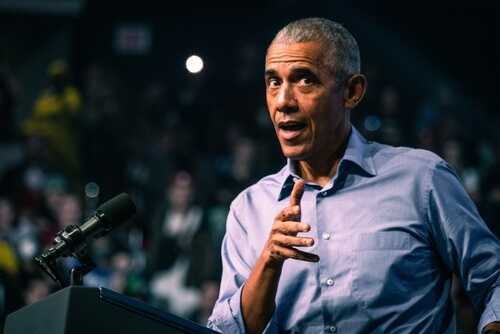
(RightWingJournal.com) – A furious phone call from Barack Obama to Nancy Pelosi has exposed deep divisions within the Democratic Party.
Story Highlights
- Obama and Pelosi had a pact to avoid endorsements post-Biden’s withdrawal.
- Pelosi’s unexpected endorsement of Harris triggered Obama’s anger.
- The Democratic Party faced internal power struggles following Biden’s exit.
- Despite tensions, Harris solidified her position as the presumptive nominee.
Obama’s Anger and Pelosi’s Endorsement
In a political twist, former President Barack Obama reportedly called Nancy Pelosi to express his frustration after she endorsed Kamala Harris for the Democratic presidential nomination. This endorsement came immediately after President Joe Biden withdrew from the 2024 race, contrary to a private agreement between Obama and Pelosi to abstain from early endorsements. Pelosi’s abrupt decision prompted Obama to question her actions, reportedly asking, “What the f*** did you just do?” Pelosi’s response indicated the decision was final.
The endorsement caught many off guard, reflecting the chaotic and rapid nature of the political transition. Within days, Harris garnered additional endorsements from prominent Democrats, including Bill and Hillary Clinton. This move consolidated her position, despite initial skepticism from some within the party. The incident highlighted internal Democratic tensions and the power dynamics at play during a critical juncture.
Historical Context of Democratic Divisions
The Democratic Party has a history of contentious nomination processes, often marked by internal strife when an incumbent president does not seek re-election. The events of 2024 hark back to similar scenarios in 1968 and 1980, where party divisions and unexpected candidate changes led to chaos. Biden’s withdrawal created a leadership vacuum, with Harris as the immediate heir apparent, yet she faced scrutiny from some party elites, including Obama, who favored a more open nomination process.
As Biden decided to step down due to declining support and poor debate performances, party leaders scrambled to realign. Pelosi’s endorsement of Harris was seen as an attempt to quickly unify the party and present a strong front against the Republicans. However, this move also risked alienating grassroots supporters who preferred a transparent and competitive primary process.
Internal Dynamics and Power Struggles
The Democratic Party’s internal dynamics were significantly impacted by Pelosi’s endorsement. Obama, as a party elder statesman, wielded substantial influence and preferred an open nomination process to boost party legitimacy. Pelosi, on the other hand, prioritized party unity and saw Harris as the best option to lead the Democrats into the election. Harris, benefiting from her position as vice president, quickly amassed institutional support, bolstered by endorsements from influential party figures.
Despite the initial tensions, the Democratic Party has largely rallied behind Harris as the nominee. The consolidation of support has minimized public infighting, but the episode underscores the challenges of maintaining unity in a party with diverse factions and interests. As the general election approaches, the Democrats aim to shift the focus from internal discord to their broader campaign against the Republican opposition.
Implications for the Democratic Party
The fallout from Pelosi’s endorsement decision carries both short-term and long-term implications for the Democratic Party. In the short term, the swift consolidation behind Harris helped prevent prolonged infighting. However, the incident may fuel media narratives about Democratic disunity and backroom dealings, potentially energizing Republican critiques. Voter perception of the nomination process might also be affected, with some questioning its fairness and transparency.
Looking ahead, the incident could strain relationships among top Democratic leaders, affecting future coordination and strategy. It sets a precedent for handling unexpected vacancies in leadership and may lead to calls for reforms to enhance the transparency of the nomination process. The episode serves as a reminder of the delicate balance between elite coordination and democratic legitimacy in American politics.
Copyright 2025, rightwingjournal.com