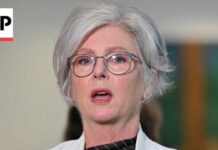
The federal government just called New York’s Medicaid fraud cops the worst in the country and yanked $60 million to prove it.
Story Snapshot
- Federal watchdogs froze New York’s Medicaid Fraud Control Unit funding after years of weak criminal enforcement.
- New York ranked last among big states for fraud convictions and indictments from 2023 to 2025.
- Leaders chose to chase civil dollars instead of criminal cases, even as abuse reports piled up.
- The Trump administration says this is a clean performance call, not politics, in a larger crackdown.
How A Powerful Fraud Unit Ended Up At The Bottom Of The Pack
New York’s Medicaid Fraud Control Unit sits inside the state Attorney General’s office and oversees a huge Medicaid program that serves millions of people and spends billions of dollars each year. The unit gets about $60 million a year in federal grant money and has more than 270 staff whose core job is to bring criminal cases for provider fraud and for abuse or neglect of Medicaid patients. That mandate is set by the Social Security Act and federal regulations, and it is not optional.
From 2023 through 2025, federal reviewers at the Department of Health and Human Services Office of Inspector General compared New York’s outcomes to other large states with similar resources. The picture was grim. New York reported just 53 fraud convictions in that three-year span, while the next lowest comparable state had 129. On criminal indictments, New York again came in last among similar units, with only eight or nine criminal indictments in 2023 and 2025, while other states secured hundreds in the same period.
The Abuse Allegations No One Really Prosecuted
Medicaid Fraud Control Units are supposed to be the front line against abuse and neglect in nursing homes and other care settings. In 2025 alone, New York’s unit received 2,599 total allegations, including 2,121 reports of patient abuse or neglect. Yet across 2023 to 2025, the unit obtained only four convictions for patient abuse and neglect, even though it was getting more than 2,000 such allegations each year. For a unit of that size and funding, those numbers raise hard questions about priorities and follow-through.
Federal reviewers did not chalk this up to bad luck or a paperwork glitch. After a targeted onsite review, they said a “major factor” behind the poor criminal performance was a deliberate leadership choice to focus on civil fraud cases. In plain terms, the unit’s bosses chose to chase civil settlements and judgments instead of building criminal cases against individual bad actors or abusive facilities. That choice may fit a softer, more progressive vision of enforcement, but it sits at odds with the criminal focus written into the unit’s federal charter and grant conditions.
Big Civil Dollars Versus Basic Statutory Duties
Supporters of Attorney General Letitia James argue that the numbers tell a different story when you follow the money, not the indictments. Her office says New York’s Medicaid Fraud Control Unit recovered more than $627 million for the Medicaid program from 2019 through 2025 by using both criminal and civil tools. The 2025 national report on Medicaid Fraud Control Units backs up at least part of this picture, noting that four states, including New York, accounted for about half of total civil recoveries in 2025, which reached $706 million nationwide.
James points to those civil wins to claim her unit was “leading the nation” in anti-fraud efforts and notes that the Trump administration itself once recognized the office’s role in major settlements. That defense has some weight: civil recoveries matter, and taxpayers care about getting money back. But it does not answer the simple charge in the inspector general’s letter. The federal watchdog says New York is failing to “effectively carry out” its statutory responsibilities, which explicitly include criminal prosecutions and protection of vulnerable patients, not just civil cash collections.
Why The Funding Freeze Matters Beyond New York
On June 30, 2026, the inspector general denied New York’s annual recertification and suspended the unit’s federal grant funding effective July 1, 2026. The suspension runs through September 30 unless New York can show convincing corrective action, and the letter warns that funding may not be restored for the 2027 fiscal year if performance does not change. That is a sharp stick, and it hits a deep blue state that often clashes with Republican administrations on healthcare policy and enforcement priorities.
According to the latest official information from the U.S. Department of Justice (announcement dated June 23, 2026), this nationwide operation—the 2026 National Health Care Fraud Takedown—resulted in criminal charges against 455 defendants, including approximately 90 physicians…
— NETO 🎯 (@appneto) June 26, 2026
This move also fits a larger pattern. In early 2026, the federal government paused $350 million in Medicaid funding for Minnesota over fraud concerns, and in May it deferred $1.3 billion for California. On May 13, Inspector General T. March Bell sent letters to attorneys general nationwide promising “rigid” enforcement of Medicaid Fraud Control Unit standards and “robust review” of their performance. For conservatives, this looks like long overdue accountability for huge programs where fraud and abuse can quietly drain billions. For critics on the left, it looks like weaponized oversight aimed at states that favor broader social spending.
Politics, Performance, And What Common Sense Says
Democratic officials and some media outlets frame the New York funding freeze as a political hit, especially given Donald Trump’s broader fights over Medicaid and social spending. They point to proposed cuts and coverage fears and argue that a White House open to shrinking Medicaid cannot claim the moral high ground on fraud enforcement. Yet the hard numbers from the inspector general’s review are not partisan talking points; they are basic performance metrics, and New York sits at the bottom among its peers.
Common sense and core conservative values line up on a simple principle here: if a state takes tens of millions in federal anti-fraud money, it should deliver real criminal enforcement and real protection for vulnerable patients, not just big civil checks and press releases. New York’s leaders chose a different path. The funding freeze is Washington’s way of saying that choice has consequences, not just for politicians, but for taxpayers and Medicaid patients who need a fraud unit that scares crooks more than it impresses accountants.
Sources:
townhall.com, abramslaw.com, oig.hhs.gov, facebook.com, ag.ny.gov, thehill.com, instagram.com
© rightwingjournal.com 2026. All rights reserved.