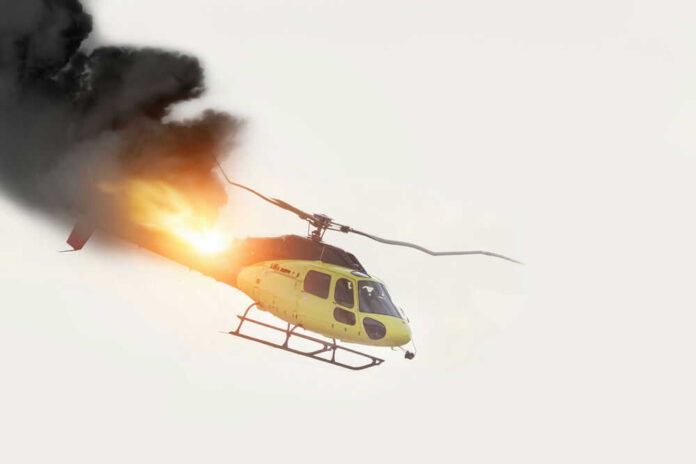
(RightwingJournal.com) – A rescue helicopter meant to save lives on Mount Kilimanjaro plummeted to its doom, claiming all five souls aboard in a heartbreaking twist of fate.
Story Snapshot
- Tragic crash on December 24, 2025, kills pilot, doctor, guide, and two foreign climbers during medical evacuation from Barafu Camp.
- Rare high-altitude disaster highlights dangers of thin air and rocky terrain on Africa’s highest peak, a hub for 50,000 annual climbers.
- Tanzania authorities launch probe amid peak climbing season, disrupting vital rescue services relied upon by thousands.
- Recovery efforts stalled by extreme conditions over 4,000 meters, underscoring risks in tourism-dependent operations.
Crash Details and Timeline
On December 24, 2025, at approximately 17:45 local time, an Airbus AS350 B3 helicopter operated by KilimedAir took off from Barafu Camp helipad on Mount Kilimanjaro. The aircraft carried two ill foreign clients, possibly Czech nationals, a local doctor or paramedic, a tour guide, and the pilot for a medical evacuation toward Kibo Summit. Minutes later, it crashed in the Barafu Valley at altitudes between 4,000 and 4,700 meters. Altezza Travel guides approached the site but confirmed no survivors amid the rocky, low-oxygen terrain.
Mount Kilimanjaro’s High Risks
Mount Kilimanjaro, Africa’s highest peak at 5,895 meters, draws about 50,000 climbers yearly via routes like Machame and Marangu, with Barafu Camp serving as a critical high-altitude base. Altitude sickness, including pulmonary and cerebral edema, necessitates helicopter evacuations, with services like KilimedAir handling up to five per day in peak December season, often free for porters. The crash site features extreme weather, thin air, and treacherous rocks, complicating both flights and ground rescues far beyond slow foot travel.
Such incidents remain rare; the last aircraft accident occurred in November 2008, killing four. Kilimanjaro’s heavy traffic of climbers and support staff amplifies the stakes, as helicopters provide essential lifeline support where ground efforts falter.
Stakeholders and Official Response
Simon Maigwa, Kilimanjaro regional police commander, confirmed the five victims and crash location. The Tanzania Civil Aviation Authority (TCAA) announced investigations on December 25, following international safety regulations to pinpoint cause and circumstances. Altezza Travel, whose guides witnessed the event, expressed condolences and noted their failed rescue attempt. KilimedAir, operating under Savannah Aviation Limited, issued no statement as recovery challenges persist due to altitude and terrain.
Authorities secured the site, but bodies remain unrecovered. Police pledged further details, while TCAA leads the probe amid collaborative efforts from tourism operators dependent on regulatory approvals.
Impacts on Tourism and Aviation
The crash disrupts short-term rescues, potentially halting climb permits during peak season when about 1,000 climbers and porters traverse daily. Families of the victims, including locals and foreigners, face profound loss, alongside porters and guides reliant on these services. Kilimanjaro generates millions in tourism revenue yearly, now threatened by a likely dip.
Long-term, stricter helicopter regulations could ground operators, raising insurance costs and slowing medevac responses across high-altitude African operations. Precedents like the 2008 crash suggest temporary bans, pressuring TCAA politically as tourism underpins the economy. Altezza Travel praised KilimedAir’s prior life-saving efforts, emphasizing the service’s rarity and value despite the tragedy.
Copyright 2025, RightwingJournal.com