Vice President JD Vance said federal officials told him Nvidia’s Jensen Huang was not under investigation, even as the company’s own probe continues.
Story Snapshot
- Vance said the Department of Justice and national-security officials told him Huang was not under investigation.
- Vance added Huang does not need a presidential pardon, signaling no charges are expected now.
- Nvidia’s board reinstated Huang while an independent committee’s inquiry remains open.
- Previous reports tied the scandal to alleged links with a suspected Chinese intelligence asset.
Vance’s Claim and Why It Matters
Vice President JD Vance told reporters that the Department of Justice and national-security officials assured him Jensen Huang was not under investigation. He contrasted those assurances with news stories that relied on unnamed sources. Vance then argued there was no need to even consider a pardon. His comments aim to cool a fast-moving scandal that risks public trust in both government and business. They also test how much weight anonymous reports should carry in national debates.
Vance also said a pardon is unnecessary because there is no active federal case against Huang. That message sets a clear line from the White House. It tells markets and voters that the administration does not see a criminal threat tied to Nvidia’s leader. The Associated Press reported the same bottom line, citing Vance’s reference to briefings from federal officials. That stance could calm investors, but it does not close every question now in play.
Nvidia’s Reinstatement and the Open Corporate Probe
Nvidia’s board reinstated Huang as president and chief executive officer and said an independent directors’ committee will keep working. The company recorded the move in a filing with the Securities and Exchange Commission. The filing did not say Huang was charged or under a federal probe. It also did not give a firm end date for the internal review. That gap leaves room for more facts later and keeps pressure on the board to show its homework in time.
Reporters have noted that the board’s decision followed days of turmoil and high-level input from Washington. Reuters reported that the board had earlier rejected a return, citing conduct concerns, before reversing course. Governance experts questioned the board’s independence while the company’s investigation remained unfinished. That does not prove wrongdoing. It does show why many Americans suspect the powerful can bend rules that others must follow.
What We Know About the Allegations
News reports described an admitted affair and possible contact with a woman suspected of ties to Chinese intelligence. Reuters said United States agencies had gathered information on the woman because of those suspicions. The story also mentioned other infidelities Huang acknowledged, without confirming the specific relationship in question. These details help explain why the corporate probe continues. They also explain why Congress plans more scrutiny in the weeks ahead.
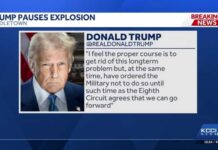
Update: VP JD Vance said Nov 25 the DOJ told him Jensen Huang, who has not been charged, is "under no investigation," per CNBC. Reuters reported DOJ did no formal probe before his reinstatement. Huang is set to testify publicly to the Senate Banking Committee Dec 3. https://t.co/cAzfVNkDht
— DGoodShepard (@DGoodShepard) November 25, 2026
Here is the key line to hold on to: “not under investigation” is narrower than “no risk” or “no misconduct.” A person can face questions in a company review even if federal agents have not opened a formal case. That is how these systems work. The Justice Department can also interview people as witnesses without naming them targets. Vance’s claim speaks to the first point, not the last word on every other review underway.
Why Both Sides Feel Burned
Conservatives see anonymous leaks and a rush to scandal as proof that elites play politics with national security. They worry about a tech sector that chases global markets while Washington fails to protect jobs and data. Liberals see White House pressure on a giant firm as special treatment for the well connected. They worry about corporate power outpacing rules. Both sides look at this case and ask whether truth or clout decides outcomes in America today.
What would rebuild trust? First, publish the final report from Nvidia’s independent committee with evidence where possible. Second, release a public summary from the Department of Justice or relevant agencies that clarifies whether Huang was a target, a subject, or neither at any point. Third, have Congress seek sworn testimony from the officials who briefed the White House. Sunlight will not please everyone. But it can narrow the gap between rumor and record.
How to Read the Next Headlines
Watch for three signals. If Nvidia’s committee closes without discipline or risk warnings, that backs Vance’s current stance. If the committee finds policy breaches or control failures, the board will face heat for moving too fast. If federal agencies announce actions tied to export controls or false statements, the story shifts from governance to law. Until then, Vance’s claim stands as a statement about today, not a guarantee about tomorrow.
Sources:
youtube.com, cnn.com, live.euronext.com, edition.cnn.com, rmb.reuters.com
© rightwingjournal.com 2026. All rights reserved.