(RightwingJournal.com) – An Alaska Airlines flight turned into a nightmare when a panicked passenger allegedly tried to open a cabin door mid‑flight, shouting that the wings had disappeared and everyone was going to die.
Story Snapshot
- An Alaska man is facing federal charges after allegedly trying to open a plane door mid‑flight while yelling catastrophic warnings.
- Flight attendants and passengers intervened quickly, restraining him before he could reach the exit and alerting the cockpit.
- The case highlights growing concerns about in‑flight disturbances, mental health crises, and airline security.
- Conservatives see the incident as another test of law‑and‑order, personal responsibility, and the need for clear consequences to deter chaos in the skies.
Alaska Flight Panic Sparks Federal Case
Witnesses on the Alaska Airlines flight describe a terrifying scene as a male passenger from Alaska reportedly began shouting that the plane’s wings had disappeared and that everyone on board was going to die. According to charging documents and media accounts, his apparent mental health crisis escalated rapidly when he allegedly moved toward a cabin door and tried to open it at cruising altitude. Flight attendants and nearby passengers stepped in immediately, restraining him and preventing further escalation.
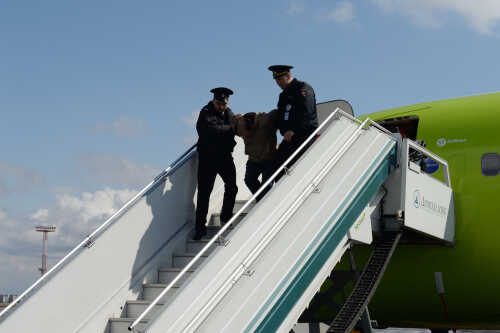
Federal authorities met the aircraft upon landing, where the man was detained, interviewed, and ultimately charged in federal court with interfering with flight crew and attendants under long‑standing U.S. law. That statute makes it a serious crime to threaten, intimidate, or disrupt crew members carrying out safety duties, even if no physical harm occurs and even though modern “plug‑type” doors cannot be forced open at altitude. Prosecutors often pursue these cases aggressively to send a clear deterrent message.
Unruly Passenger Trend and Mental Health Concerns
This incident fits into a broader pattern of in‑flight disturbances that has grown over the past decade, especially during and after the pandemic years. Airlines and international aviation groups have documented more episodes involving assaults, threats, and attempts to tamper with doors or exits, often tied to stress, alcohol, or visible mental health crises. Crews increasingly find themselves acting as first responders in the sky, balancing compassion for distressed passengers with an uncompromising duty to protect everyone else on board.
For many conservative travelers, the Alaska case underscores their demand for order and accountability in public spaces. They see a system that too often excuses dangerous behavior as misunderstanding or emotional difficulty rather than enforcing clear boundaries. While mental health struggles are real and deserve serious treatment, attempting to open a cabin door mid‑flight crosses a bright red line. Passengers and crew trapped in a metal tube at altitude cannot afford leniency toward actions that mimic hijacking or sabotage, regardless of a person’s state of mind.
Cabin Security, Federal Power, and Passenger Rights
From a safety standpoint, aviation experts emphasize that main entry doors and most exits on modern jets are designed so cabin pressure holds them firmly shut, making it virtually impossible for a single person to open them at cruise. Even so, every attempt is treated as a major threat because it can signal severe impairment or hostile intent, and because phases of flight with lower pressure differentials offer more vulnerability. That is why airlines, the FAA, and the FBI treat these events as serious security matters with criminal consequences.
Constitution‑minded conservatives watching cases like this also weigh a second issue: how far government power should extend in response. Federal involvement in every onboard disturbance risks normalizing heavy‑handed oversight of ordinary life. Yet failing to respond forcefully to credible threats in a confined aircraft could invite tragedy. Many on the right argue the balance point is straightforward: strictly enforce existing laws against violence, threats, and interference, rather than inventing new “speech” or thought crimes that chill lawful expression by law‑abiding passengers.
Law, Order, and Common-Sense Deterrence in the Skies
Key stakeholders in this Alaska case include the restrained passenger, the flight attendants and pilots who reacted quickly, the airline responsible for public reassurance, and the federal prosecutors who now hold the file. Crews want zero‑tolerance enforcement to discourage copycats. Prosecutors look to secure guilty pleas or convictions under existing interference laws, signaling that even unsuccessful attempts to open a door will follow someone for life through a criminal record, no‑fly restrictions, and potential prison time. That consistent message matters to anxious families boarding flights every day.
For conservative readers, the lesson is that personal responsibility and firm consequences remain the best defense against chaos, whether on city streets or thirty thousand feet in the air. Airlines should continue improving training and screening to spot distress before boarding, but once a passenger crosses from fear into physically reaching for a door handle, the priority must be protecting innocent travelers. Strong enforcement of existing federal law, not new layers of bureaucracy or politicized regulations, offers the clearest, most constitutional path to keeping American skies safe.
Copyright 2025, RightwingJournal.com