(RightwingJournal.com) – A new legislative push threatens President Trump’s strategic efforts in Venezuela, causing tension among conservatives.
Story Highlights
- Congressional pushback challenges Trump’s military strategy in Venezuela.
- Lawmakers demand more oversight on military operations in the Caribbean.
- Concerns rise over bypassing traditional war-powers constraints.
Congress Challenges Presidential War Powers
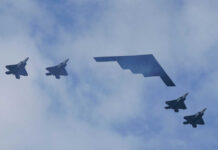
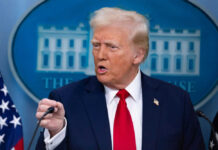
Amid escalating tensions with Venezuela, President Trump has employed a hard-line strategy that includes sanctions and the threat of military force. However, Congress is pushing back against what it sees as executive overreach. Lawmakers from both parties are calling for more transparency and oversight, particularly regarding military operations in the Caribbean. This push reflects a growing concern that the administration may be bypassing traditional war-powers constraints, which are designed to ensure that any military action has congressional approval.
The administration’s justification for these operations often hinges on counter-narcotics and anti-terrorism labels, which some argue stretch the limits of presidential authority. As Trump continues to assert his tough stance on Venezuela, congressional leaders are increasingly vocal about the need to reassert legislative authority. This is not just a matter of policy disagreement but a fundamental debate over the separation of powers and the constitutional role of Congress in authorizing military action.
Implications for U.S.-Venezuela Relations
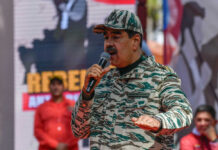
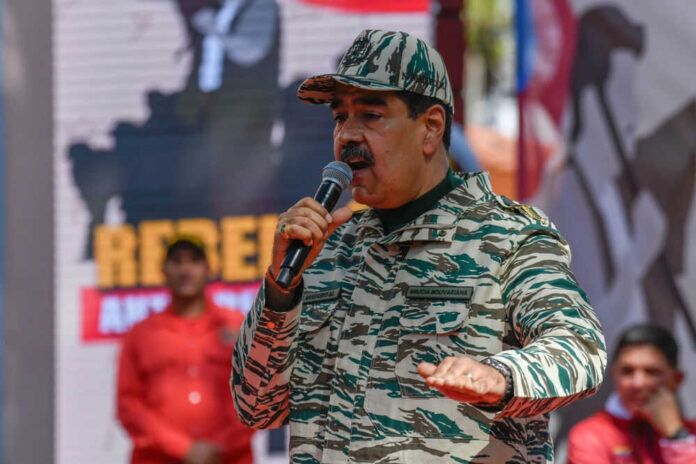
The U.S. approach to Venezuela under Trump’s leadership has been marked by aggressive diplomacy and military posturing. Sanctions have targeted the Maduro regime, aiming to destabilize its grip on power. However, these actions have also led to significant humanitarian concerns, with critics arguing that they primarily harm the Venezuelan people. The recent congressional moves to restrict Trump’s military actions could alter the dynamics of U.S.-Venezuela relations, potentially leading to a shift in strategy that prioritizes diplomatic solutions over military interventions.
This tension between Congress and the White House highlights broader issues within U.S. foreign policy. The use of military force without explicit congressional approval has long been a contentious issue, and the current situation with Venezuela serves as a microcosm of this ongoing debate. How this plays out could set significant precedents for future administrations.
Potential Outcomes and Future Considerations
If Congress succeeds in reasserting its authority, it could lead to more balanced decision-making processes involving both branches of government. This might result in a more measured approach to international conflicts, reducing the risk of unilateral military actions that could escalate tensions globally. However, if the executive branch maintains its current course, it may further entrench the use of military force as a primary tool of foreign policy, potentially leading to increased conflict and instability in the region.
Ultimately, the outcome of this power struggle will have implications not only for U.S.-Venezuela relations but also for the broader debate on the limits of executive power in foreign affairs. It remains to be seen whether this congressional push will lead to meaningful change or if it will be another instance of legislative gridlock.
Sources:
Council on Foreign Relations: Instability in Venezuela
Copyright 2025, RightwingJournal.com