(RightWingJournal.com) – “We will kill you” isn’t just a headline; it’s a declaration of war on drug traffickers by U.S. Secretary of Defense Pete Hegseth following a series of lethal strikes.
Story Overview
- U.S. military strikes on drug boats result in multiple deaths.
- Shift from law enforcement to military-led operations under the Trump administration.
- International tensions rise due to civilian casualties.
- Public threats emphasize U.S. commitment to combating drug trafficking.
Escalation of Military Involvement
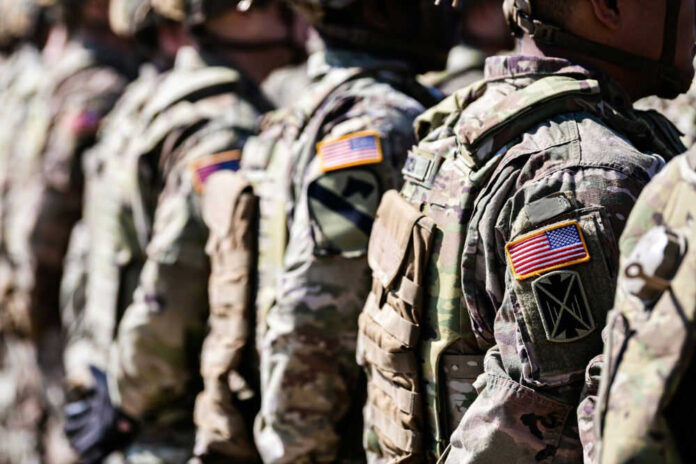
In a dramatic shift from traditional anti-drug operations, the Trump administration authorized the U.S. military to target suspected drug traffickers in international waters. This move marks a significant departure from the past efforts led by agencies like the DEA and Coast Guard. The operations, focusing on maritime routes near Venezuela and the Caribbean, have resulted in a series of deadly strikes, with the U.S. military sinking multiple boats and killing suspected traffickers.
Hegseth’s warning to drug traffickers is as blunt as it is unprecedented: “We will kill you.” This statement underscores the administration’s aggressive stance and intent to utilize military force to deter drug trafficking. By employing military assets, the U.S. aims to send a clear message that the stakes have changed, and traffickers attempting to transport drugs into the United States will face lethal consequences.
Timeline of Strikes
Beginning in early September 2025, the U.S. military launched its first strike on an alleged drug boat. This was followed by a series of subsequent strikes throughout September and October, each resulting in fatalities. On October 3, Hegseth announced a strike near Venezuela that killed four suspects. By October 24, the U.S. conducted its first night strike, leading to six more deaths. The operations continued with another Eastern Pacific strike on October 30, killing four more individuals.
The timeline of these events highlights the escalating nature of the military’s involvement. Each strike not only targeted suspected drug traffickers but also sent a strong signal to international cartels and governments about the U.S.’s resolve to combat drug trafficking at its source.
International and Domestic Repercussions
The aggressive military actions have not come without controversy. The involvement of the U.S. military in anti-drug operations has sparked diplomatic tensions, particularly with countries like Venezuela, Colombia, and Trinidad and Tobago. Some of the casualties from these strikes have been identified as non-U.S. nationals, raising concerns about sovereignty and the potential for civilian harm.
Domestically, the shift from law enforcement to military operations has sidelined traditional agencies like the DEA and Coast Guard. Critics argue that this approach may escalate violence and question the legality and morality of using military force against suspected traffickers. Legal experts have raised concerns about the administration’s authority and lack of transparency regarding the evidence and justification for these strikes.
Broader Implications and Expert Opinions
The decision to employ military force represents a major shift in U.S. anti-drug policy, with implications for global counter-narcotics strategies. NBC News analyst Carlos Curbelo describes this as a “major, major shift.” Legal scholars and fact-checkers have pointed out discrepancies in the administration’s narratives, particularly regarding exaggerated overdose death figures cited by Trump as justification for the strikes.
The broader impact of these operations is still unfolding. While the immediate effect has been to disrupt trafficking routes and increase casualties among suspected traffickers, the long-term consequences could involve heightened violence and strained diplomatic relations. The shift to military operations may set a precedent for future U.S. anti-drug efforts, influencing both domestic policy and international relations.
Copyright 2025, rightwingjournal.com